Ideal diet formula for your kid
Most mothers are confused about the ideal diet, when to introduce certain foods, when a baby should start feeding oneself and when they should not fuss over their kid’s eating.
Here are a few hints of solids, finger foods, cups, spoons and forks:
Feed your baby breast milk/ formula or a combination of both until 4 months of age; it is best to avoid solids as your baby at this stage only has a natural ability to root, suck, swallow and gag and instinctively push out most solids from their mouth.
A word of alert; contact your baby’s pediatrician if your baby at this stage is not feeding properly, not gaining the required weight, frequently arches one’s body while feeding, is irritable, coughs or chokes.
Your baby may be ready for solid foods between the ages of 4 to 6 months. Check the readiness of your baby by the following points:
a) His/her weight should be double the birth weight or at least 13 pounds.
b) When the baby opens his/her mouth when one sees a spoon approaching.

c) Your baby is able to close his/her mouth around the spoon and then use his/her tongue to push the food into one’s mouth. He/she makes chewing motions or sometimes sucks on the food.
d) Your baby is able to take food with the palm of his/her hand and is able to curl all his/her 5 fingers and tries to move it into his/her arm.
e) He/she is able to sit upright in a high chair.
Around the ages of 6 to 8 months your baby starts eating solid food though he/she will still need breast milk/formula or both until 12 months. He/she practices hand-to-mouth coordination and drinking skills; best done without spills with a sipper glass.

The period of 8 to 10 months is ideal to introduce finger foods as your baby can easily pick up small pieces of food with the help of the thumb and index finger. Mastering the art of using the spoon, his/her drinking and chewing abilities improve; he/she can move jaws diagonally to move food to the side or center of his mouth. This period is also one when the baby spontaneously starts taking in less liquid and more solid food.
You can expect your baby between the ages of 10 to 12 months to start self-feeding oneself with a cup and spoon. He/she uses ones lips to take food off the spoon; your baby also is able to point and reach out to food when hungry and shows interest in what the family eats. Your baby is mostly able to sit up for extended periods of time and could join the family for a meal at the table in a booster seat; many parents however prefer to keep their child in a highchair.
Next as a toddler between the ages of 12 to 18 months he/she will be able to feed oneself and swallow from a cup with assistance. He/she would close one’s mouth or shake one’s head when one is full.
As a toddler between the ages of 18 to 24 months your baby will play with and throw food when finished though he/she will generally be neat and tidy while eating with a spoon and fork. He/she will learn to bite food without opening one’s mouth wide. The same toddler will tell you clearly when he/she wants more or is all done and will play with the plate or push it away when done.
Lastly your preschooler between the ages of 2 to 3 years will polish his/her meal time skills and would eat almost anything and choose food out of what is offered to him/her. However it is best to avoid foods that pose the risk of choking.
Image Courtesy: Google
.
Take the next step toward your goals
Share your requirement and find the best care providers in your area
-
Looking for a caretaker’s job? Build your profile and get in touch with families in your vicinity.
-
Discover nannies, babysitters, cooks, housekeepers, pet sitters, and elder care under one roof.
-
Get all the support you need to run a successful care center.
-
Search for appropriate centers near you depending on your needs.
Care Corner Insights: Blog Library

Best Child Care Hacks for Busy Indian Moms and Dads in the U.S.
Balancing work, home, and parenting is challenging, especially for Indian parents living in the U.S. Between cultural expectations, school schedules, extracurricular activities, and household responsibilities, managing daily life can often feel overw

A Revolutionary Guide for Indian Families in California
Living in California offers incredible opportunities, but Indian families often face unique challenges—balancing cultural values, adapting to a fast-paced lifestyle, handling child care, navigating school systems, and building a strong community away
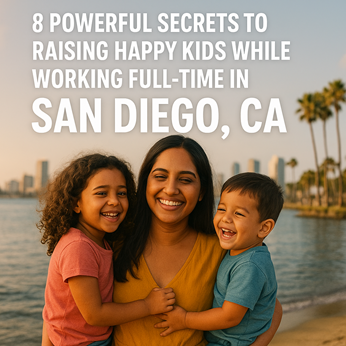
8 Powerful Secrets to Raising Happy Kids While Working Full-Time in San Diego, CA
Balancing a demanding full-time job with raising happy, emotionally secure kids isn’t easy—especially in a vibrant, fast-paced city like San Diego. But with the right strategies, you can create a joyful, connected home environment without burning out

What’s the Best Way to Find a Trustworthy Indian Nanny in Fremont, CA ?
Hiring a nanny for your family is a big decision, especially when you want someone who understands your cultural values and parenting style. If you’re looking for a trustworthy Indian nanny in Fremont, CA, here are some effective strategies to make t
7 Proven Child Care Ideas That Make Parenting Easier for Indian Families in the U.S.
Raising children in the U.S. comes with a unique blend of opportunities and challenges—especially for Indian families trying to balance cultural values, busy work schedules, and daily childcare responsibilities. These seven proven childcare ideas can

9 Must-Know Tips for Hiring a Nanny in San Jose
Finding the right nanny for your family in San Jose can feel like a huge task — especially when you want someone who is trustworthy, experienced, and a perfect match for your child’s needs. Whether you’re a first-time parent or looking to replace you

10 Revolutionary Child Care Tips Every Indian Family in California Should Know in 2025
1. Bring India Home — Every Day Your children might grow up in California, but they can still grow with India. Let Indian traditions live inside your home — evening prayers, storytelling in your native language, or cooking regional dishes together.
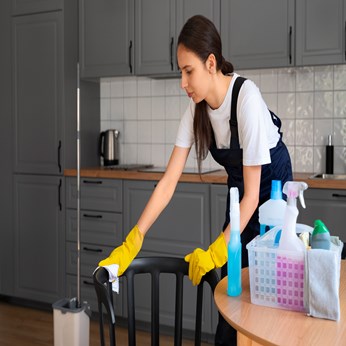
Deep Cleaning Your House: Room-by-Room Checklist for a Thorough Clean
A sparkling clean home isn’t just about looks—it’s about health, comfort, and peace of mind. Whether you’re prepping for a festival, hosting guests, or just tired of the clutter, a deep clean can transform your space. But where do you start? Here’s a

What are Senior Apartments? Experts Explain Independent Living for Older Adults
As we age, our needs and lifestyles evolve—but one thing remains constant: the desire for independence. Senior apartments are designed precisely with this in mind, offering older adults a living arrangement that balances freedom with comfort, safety,

Baby Sleep Problems: What is Sleep Regression and How to Handle It
If you’re a parent, you know that baby sleep is one of the greatest mysteries of life. One day your little one is snoozing like an angel, and the next day they’re suddenly waking up every hour, fussing, or refusing to nap. Before you panic, there’s a