How Much Sleep Does Your Child Really Need? (Age-wise Guide)

Sleep is the cornerstone of your child's growth, learning, and happiness. Yet, many parents in bustling cities like New York wonder: How much sleep does my child really need? This age-wise guide breaks it down, helping you ensure your little one thrives. Backed by pediatric experts, these recommendations come from organizations like the American Academy of Sleep Medicine.
Newborns (0-3 Months): 14-17 Hours Daily
Tiny bundles of joy need the most shut-eye. Newborns sleep 14-17 hours in short bursts around the clock, fueling rapid brain development and immune strength.
Establish a calm routine with dim lights and white noise to mimic the womb. Watch for overstimulation from New York's vibrant sounds—soft curtains help!
Infants (4-11 Months): 12-15 Hours with Naps
As babies hit 4 months, sleep consolidates into longer nighttime stretches plus 2-3 naps totaling 12-15 hours.
This stage supports motor skills and emotional bonds. Pro tip: A consistent bedtime ritual, like a warm bath followed by a lullaby, prevents night wakings.
Toddlers (1-2 Years): 11-14 Hours, Fewer Naps
Active toddlers require 11-14 hours, often with one nap dropping to none by age 2. Sleep aids language explosion and exploration.
In India's warm climate, lightweight cotton bedding keeps them comfy. Limit screens an hour before bed to avoid melatonin disruption.
Preschoolers (3-5 Years): 10-13 Hours for Energy
Preschoolers need 10-13 hours to power imagination and social skills. Most drop naps, sleeping solidly at night.
Create a sleep-friendly zone: cool room (20-22°C), no caffeine treats. Stories at bedtime boost vocabulary while signaling rest time.
School-Age Kids (6-13 Years): 9-11 Hours Minimum
Growing minds demand 9-11 hours for focus, memory, and academic success. Homework and play drain energy fast.
New York's school traffic means early rises—counter with 8 PM bedtimes. Encourage winding down with reading, not gadgets.
Teens (14-17 Years): 8-10 Hours for Growth Spurts
Teens crave 8-10 hours amid hormones and studies, yet often get less. Poor sleep links to mood dips and poor grades.
Promote routines: No late-night scrolling. A dark, quiet space combats urban noise.
Signs Your Child Isn't Getting Enough Sleep
Irritability, hyperactivity, or daytime dozing? These red flags signal sleep debt. Track patterns and consult a pediatrician if persistent.
Ready to Prioritize Your Child's Sleep?
Great sleep starts with expert care! Discover trusted babysitters, pediatricians, and sleep consultants on Sulekha Care Services. From nanny services to child wellness pros in USA and Canada, find verified providers today.
Take the next step toward your goals
Share your requirement and find the best care providers in your area
-
Looking for a caretaker’s job? Build your profile and get in touch with families in your vicinity.
-
Discover nannies, babysitters, cooks, housekeepers, pet sitters, and elder care under one roof.
-
Get all the support you need to run a successful care center.
-
Search for appropriate centers near you depending on your needs.
Care Corner Insights: Blog Library

Why Hiring a Summer Nanny Is a Smart Choice for Working Parents
Struggling to balance work and summer childcare? Discover why hiring a summer nanny through Sulekha is the smart, stress-free solution for working parents. Welcome Summer!
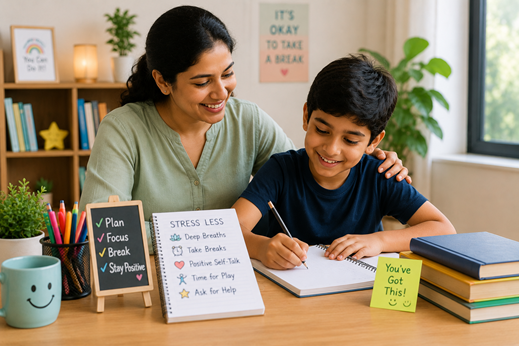
Homework Without the Headache: 7 Ways to Reduce Stress in Kids
Why Homework Stress Hits Hard Homework isn’t just about math problems and essays—it’s a pressure cooker for kids (and parents!). Between tight deadlines, tough subjects, and the fear of failure, it’s no wonder children feel overwhelmed. But here’s

Top Study Tips for Kids to Improve Academic Performance
Every parent dreams of seeing their child thrive academically, but helping young learners unlock their full potential requires more than just telling them to "study harder." In today’s fast-paced educational landscape, children face unique challenges

How to Make Kids Love Homework (Without Stress or Tears)
If homework time at your home feels like a daily battle—tears, tantrums, “five more minutes, please!”—you’re not alone. Many Indian parents in the US and Canada juggle long workdays, after-school activities, and still want their kids to enjoy learnin
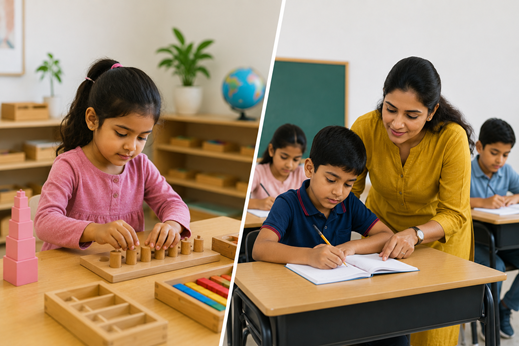
Montessori vs Traditional Education: What’s Better for Your Child?
Every parent wants one simple thing — to see their child happy, confident, curious, and prepared for the future. But when it comes to education, the path toward that goal often begins with a big question: Should you choose Montessori education or tra

How to Boost Your Child’s Focus-Without the Tantrums!
Parenting Hack: Focus Isn’t a Superpower—It’s a Skill (And We’ll Teach You How!) Why Is My Child Distracted All the Time? Is your little one’s attention span shorter than a TikTok video? You’re not alone! In today’s fast-paced world, kids are bo

Finding Safe and Reliable Child Care Services in Charlottetown
Finding the right child care in Charlottetown can feel like a full-time job. Between comparing facilities, checking reviews, talking to providers, and making sure the environment is safe, parents often end up stressed before the search even begins. B

A Parent's Guide to Hiring Reliable Babysitters and Nannies in Calgary
Let’s be real for a second. Parenting is a full-time job. Actually, it’s multiple full-time jobs wrapped in a sleep-deprived, snack-negotiating, “who-left-the-Lego-on-the-floor-again” kind of love. And sometimes? You just need a break. A date night

Why Calgary Families Are Choosing Home Cooks and Housekeepers (And Never Looking Back!)
Let's be honest—life in Calgary is beautiful, but it's also busy. Between the early morning commutes, the kids' hockey practices, the never-ending laundry pile, and that one drawer we all have that's just… chaos? Yeah. Something's gotta give. And f
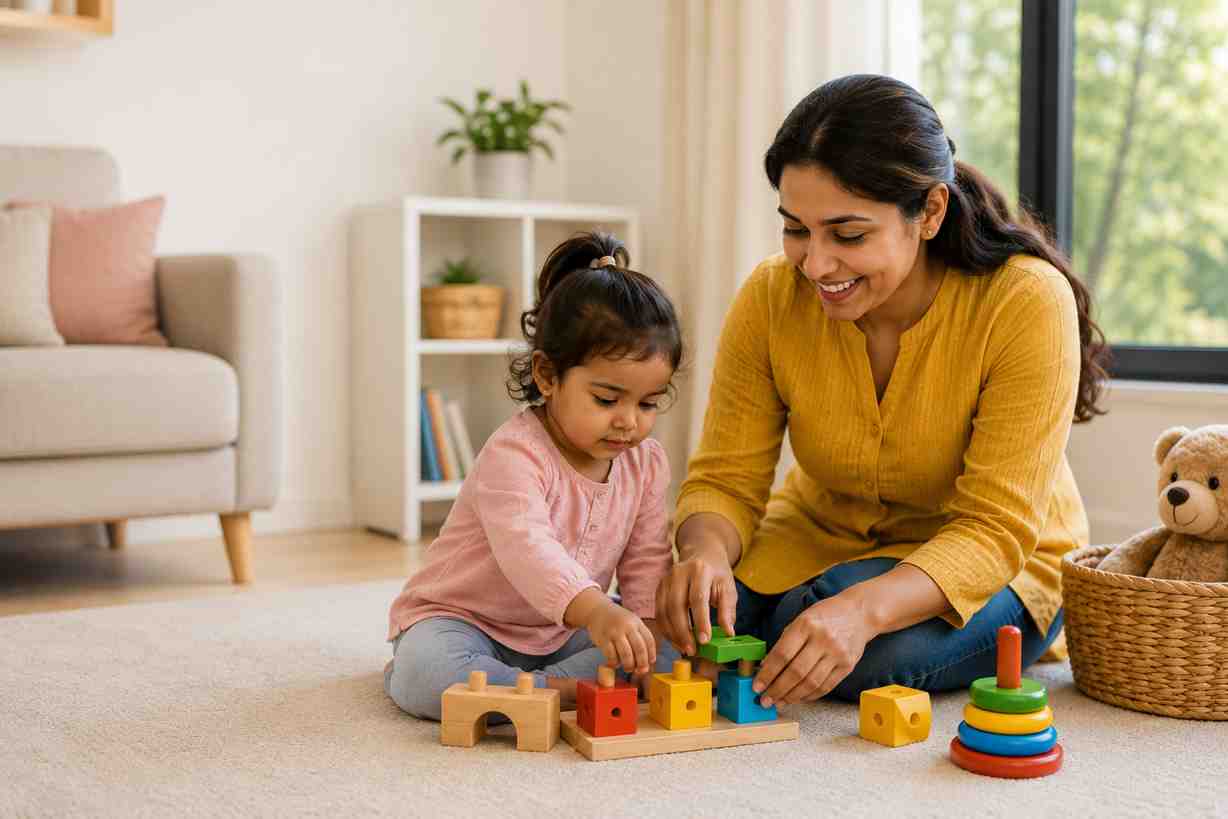
How to Find Trusted Nannies and Babysitters in Abbotsford for Your Family
For Indian and South Asian families in Abbotsford, this also means a better chance of finding caregivers who understand cultural food preferences, festival days, and language comfort, helping children feel more at ease.