Frequently Asked Questions on Parenting - When will my baby…? (Part - 1)
Along with the ecstasy of joy, come millions of questions about the newborn born out of the curiosity or concern of new parents. I decided today that I would answer these questions to the best of my ability, so new parents enjoyed and found parenting easier.
Some frequently asked questions about when will my baby……
When will my baby have his/her first vaccinations?
In spite of reservations of parents, vaccinations with increased efficacy are found to reduce the severity of childhood illnesses.
Here are some guidelines that have been laid down by Centers for Disease Control and Prevention or CDC:
Hepatitis B (Hep B) vaccine is first given to the infant at birth; it protects the infant’s liver from infection, failure and cancer. The second dose, third dose are given between 1 and 2 months of age, 6 to 18 months when the yearly flu shot is also given.
The DTaP immunization is done around 2 months of age; it protects the baby from whooping cough and diphtheria that can cause swelling in the heart muscle, heart failure, coma, paralysis and even death if left untreated. The second, third and further doses of this vaccine are to be given to the baby at 4, 6 and 18 months.
Additionally Hib (Haemophilus influenzae type b) vaccine is also given at 2 months to protect the child against possible complications of meningitis; an infection of the brain and spinal cord that could result in lung damage, mental retardation or even death. A similar dose is given at 4, 6 and 18 months.
At around 2 months the baby is also to be immunized with PCV that protects him/her against pneumococcal. A similar immunization is to be repeated at 4, 6 and 18 months.
The Rotavirus (RV) vaccine is given at 2 months to protect the baby against an infection that causes diarrhea, dehydration, vomiting and fever. A similar dose is to be given at 4 and 6 months.
The first polio vaccine dose (IPV) is also given at around 2 months, with similar doses repeated at 4 and 6 months.
Between 12 and 15 months of age, your baby is to be immunized with the MMR vaccine for protection against mumps measles and rubella and varicella vaccine for protection against chicken pox. Make sure your child receives the Hep A or hepatitis A vaccine before the age of 2.
When can my baby drink water?
You can offer cool boiled water to babies from birth. However breastfed babies do not require water as the foremilk at the beginning of every feed serves as a drink, while the hind milk serves as food/feed. Giving water, in between feeds especially in summer is important as the formula milk acts as a feed and not as a drink.
When can my baby have a bath?
According to World Health Organization or WHO babies now can be bathed after 6 hours, but more preferably after 2 or 3 days to prevent the risk of rapid heat loss. Also it is advisable to sponge clean the baby for a few days and give bath only 2-3 times a week as this preserves the natural protection that babies are born with.
When can pillow or duvet be used for babies?
It is best to start using pillows and duvets is at 12 months of age as the baby then becomes mobile and will be able to move out of the quilt if he/she is hot or uncomfortable. Avoid heavy a duvet as the baby may feel hot and simply move out of it; the ideal cot duvets is of 10-12 tog rating. Any pillow is fine provided your child has no allergies; the most ideal pillow is one that is washable.
When will my baby sleep through the night and I do not have to worry about SIDS?
Most babies start sleeping throughout the night by the first year; babies sleep longer and more soundly as they grow bigger. The personality of the baby determines whether he/she sleeps through the night; some are restless and wake easily, while others have less sleep and wake early and others sleep soundly and longer. Breastfeeding mothers could avoid hyperactivity in their babies by avoiding caffeine and other stimulants.
You could stop worrying about SIDS or Sudden Infant Death Syndrome when the baby grows older; cot deaths are more common between 2 to 6 months with fewer deaths by 1 year.

When will my baby respond to his/her name?
Most babies learn his/her name by 5 months of age; repeating his name will make it easier for him to recognize and make a connection between the name and himself and he/she would turn when you call her/him.
When can I use baby lotions and potions?
You can use lotions and potions meant for newborns when the baby is 1 or 2 days, though it is not absolutely necessary unless your baby has a dry skin. Avoid the use of talc on the baby as the micro-fine particles can easily be inhaled to cause breathing problems. For the similar reason talc should not be sprinkled even on older babies but put from the hand and then onto the baby.
When can my baby go in a front or back carrier?
Baby back carriers and slings are available for babies’ right from birth, with reputable brands indicating the age, weight and special carriers designed for breastfeeding mothers to feed ones baby without having to remove him/her from the carrier. Carriers turn uncomfortable for both parent and child when the baby grows older and wriggly, with younger babies being more secure and content facing the parent’s chest and older babies forward.
When can my baby go swimming?
It is best to wait till your baby has had his/her first course of immunizations at about 8 weeks; some however contend that swimming in public pools poses no danger as the chlorine kills off any potential threat especially from polio. Make sure the pool is warm enough to take the baby; mother should have had her 6 week check-up. However most pools take in babies only after 12 weeks when they have completed their first 3 courses of immunization.
A well informed parent like you can do a great deal for the apple of their eyes; their child.
Take the next step toward your goals
Share your requirement and find the best care providers in your area
-
Looking for a caretaker’s job? Build your profile and get in touch with families in your vicinity.
-
Discover nannies, babysitters, cooks, housekeepers, pet sitters, and elder care under one roof.
-
Get all the support you need to run a successful care center.
-
Search for appropriate centers near you depending on your needs.
Care Corner Insights: Blog Library

Best Child Care Hacks for Busy Indian Moms and Dads in the U.S.
Balancing work, home, and parenting is challenging, especially for Indian parents living in the U.S. Between cultural expectations, school schedules, extracurricular activities, and household responsibilities, managing daily life can often feel overw

A Revolutionary Guide for Indian Families in California
Living in California offers incredible opportunities, but Indian families often face unique challenges—balancing cultural values, adapting to a fast-paced lifestyle, handling child care, navigating school systems, and building a strong community away
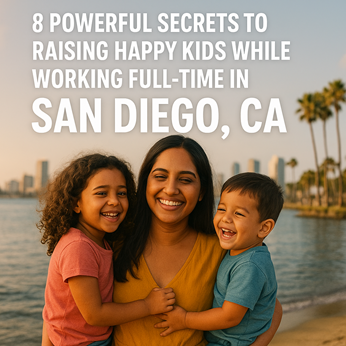
8 Powerful Secrets to Raising Happy Kids While Working Full-Time in San Diego, CA
Balancing a demanding full-time job with raising happy, emotionally secure kids isn’t easy—especially in a vibrant, fast-paced city like San Diego. But with the right strategies, you can create a joyful, connected home environment without burning out

What’s the Best Way to Find a Trustworthy Indian Nanny in Fremont, CA ?
Hiring a nanny for your family is a big decision, especially when you want someone who understands your cultural values and parenting style. If you’re looking for a trustworthy Indian nanny in Fremont, CA, here are some effective strategies to make t
7 Proven Child Care Ideas That Make Parenting Easier for Indian Families in the U.S.
Raising children in the U.S. comes with a unique blend of opportunities and challenges—especially for Indian families trying to balance cultural values, busy work schedules, and daily childcare responsibilities. These seven proven childcare ideas can

9 Must-Know Tips for Hiring a Nanny in San Jose
Finding the right nanny for your family in San Jose can feel like a huge task — especially when you want someone who is trustworthy, experienced, and a perfect match for your child’s needs. Whether you’re a first-time parent or looking to replace you
10 Revolutionary Child Care Tips Every Indian Family in California Should Know in 2025
1. Bring India Home — Every Day Your children might grow up in California, but they can still grow with India. Let Indian traditions live inside your home — evening prayers, storytelling in your native language, or cooking regional dishes together.
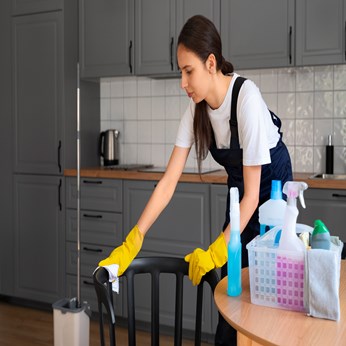
Deep Cleaning Your House: Room-by-Room Checklist for a Thorough Clean
A sparkling clean home isn’t just about looks—it’s about health, comfort, and peace of mind. Whether you’re prepping for a festival, hosting guests, or just tired of the clutter, a deep clean can transform your space. But where do you start? Here’s a

What are Senior Apartments? Experts Explain Independent Living for Older Adults
As we age, our needs and lifestyles evolve—but one thing remains constant: the desire for independence. Senior apartments are designed precisely with this in mind, offering older adults a living arrangement that balances freedom with comfort, safety,

Baby Sleep Problems: What is Sleep Regression and How to Handle It
If you’re a parent, you know that baby sleep is one of the greatest mysteries of life. One day your little one is snoozing like an angel, and the next day they’re suddenly waking up every hour, fussing, or refusing to nap. Before you panic, there’s a